


Table of Contents
ToggleIntroduction (Man-in-the-Middle Attack)
A man-in-the-middle (MITM) attack is a cyber attack where the attacker secretly intercepts and relays messages between two parties. The attacker can eavesdrop on the conversation, steal sensitive information, or inject malicious data. In 2026, MITM attacks are more sophisticated than ever. This guide covers what a man-in-the-middle attack is, how it works, and how to protect against it. It includes the USA, UK, Canada, and Australia. Whether you are a beginner or a professional, this guide provides the information you need to stay safe.
Also read: Best Top 10 Dark Web Browsers 2026
What is the Man-in-the-Middle (MITM) Attack?
A man-in-the-middle attack is a cyber attack where the attacker intercepts communication between two parties. The attacker can eavesdrop, steal data, or inject malicious content. MITM attacks target both individuals and organizations. They are one of the oldest forms of cyber attack but remain effective in 2026.
We’ve done the search. Now discover the Real Resources
Finding the right tools shouldn't have to mean endless searching, or taking chances on unknown vendors. That’s why we invested valuable time during our research period to identify useful payment security resources.
Verified and Recommeded Tools / Service Shops
escrow deals for businesses worldwide.
Offline Man-in-the-Middle Attack
An offline man-in-the-middle attack occurs when the attacker has physical access to the communication channel. This can include tapping phone lines, intercepting mail, or using devices placed on network cables. Offline MITM attacks are less common in 2026 but still possible.
Online Man-in-the-Middle Attack
An online man-in-the-middle attack occurs over the internet. The attacker intercepts data as it travels between the victim and the server. This can happen on public Wi-Fi, through malware, or by exploiting vulnerabilities. Online MITM attacks are the most common type in 2026.

Types of Man-in-the-Middle Attacks
The main types of MITM attacks include:
- Wi-Fi eavesdropping: Attacker monitors traffic on an unsecured Wi-Fi network.
- Session hijacking: Attacker steals a session cookie to impersonate the victim.
- DNS spoofing: Attacker redirects traffic to a fake website.
- HTTPS stripping: Attacker downgrades HTTPS to HTTP.
- SSL hijacking: Attacker intercepts encrypted traffic using a fake certificate.
- ARP spoofing: Attacker sends fake ARP messages to redirect traffic.
- IP spoofing: Attacker sends packets with a fake IP address.
- Email hijacking: Attacker intercepts email communications.
Does HTTPS prevent man-in-the-middle attacks?
HTTPS prevents basic MITM attacks by encrypting the data between the browser and the server. However, HTTPS does not protect against all types of MITM attacks. Attackers can use SSL stripping or fake certificates to bypass HTTPS. A VPN provides additional protection.
How to Protect Against a Man-in-the-Middle Attack?
To protect against a man-in-the-middle attack, follow these steps:
- Use a VPN for all online communications
- Only visit websites with HTTPS
- Do not use public Wi-Fi without a VPN
- Use strong passwords and two factor authentication
- Keep your software and devices updated
- Use antivirus software
- Check for SSL certificate warnings
- Use a password manager
- Enable firewall protection
- Use anti detect profiles from Worlddumps.com
What Is a Man-in-the-Middle Attack?
A man-in-the-middle attack is a cyber attack where the attacker secretly intercepts and relays messages between two parties. The attacker can eavesdrop, steal sensitive information, or inject malicious data. MITM attacks are a serious threat in 2026.

How Does a Man-in-the-Middle Attack Actually Work?
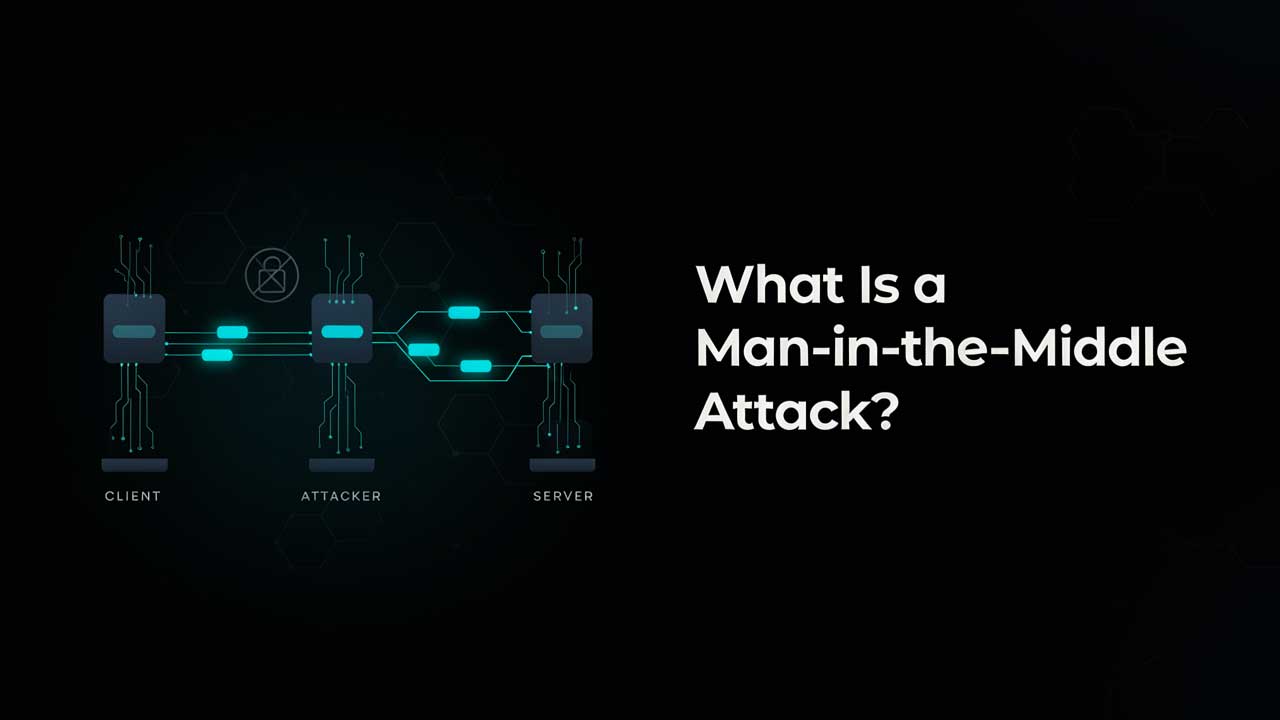
A MITM attack works by inserting the attacker between the victim and the intended recipient. The attacker intercepts the communication, reads or modifies it, and then forwards it to the recipient. The victim and recipient believe they are communicating directly. The attacker can see all the data exchanged.
Common Types of Man-in-the-Middle Attacks
Common types of MITM attacks include:
- Wi-Fi eavesdropping: Monitoring traffic on unsecured networks.
- Session hijacking: Stealing session cookies to impersonate the victim.
- DNS spoofing: Redirecting traffic to fake websites.
- HTTPS stripping: Downgrading secure connections to insecure ones.
- SSL hijacking: Using fake certificates to intercept encrypted traffic.
- ARP spoofing: Redirecting traffic on local networks.
- IP spoofing: Sending packets with fake IP addresses.
- Email hijacking: Intercepting email communications.
Real-World Examples of Man-in-the-Middle Attacks
Real-world examples include:

- Attackers intercepting bank transfers by hijacking email communications.
- Wi-Fi eavesdropping at public hotspots to steal login credentials.
- DNS spoofing attacks that redirect users to fake banking sites.
- SSL stripping attacks on mobile apps that do not enforce HTTPS.
- Session hijacking attacks on social media platforms.
- ARP spoofing attacks on corporate networks to steal data.
Who Is Most at Risk of Man-in-the-Middle Attacks?
Everyone is at risk of MITM attacks. The most vulnerable groups include:
- Users of public Wi-Fi in cafes, airports, and hotels
- Employees working remotely on unsecured networks
- Users of outdated software and devices
- Users who do not use VPNs
- Users who ignore SSL certificate warnings
- Users of free VPN services
- Users who reuse passwords across multiple sites
What Are the Warning Signs of a Man-in-the-Middle Attack?
Warning signs of a MITM attack include:
- SSL certificate warnings in your browser
- Unexpected redirects to different websites
- Slow internet connection
- Unusual pop-ups or ads
- Changes to the URL bar of your browser
- Your login credentials stop working
- Receiving suspicious emails or messages
- Your antivirus software alerts you to suspicious activity
How to Prevent Man-in-the-Middle Attacks on Public Wi-Fi
To prevent MITM attacks on public Wi-Fi, follow these steps:
Step 1. Use a VPN before connecting to public Wi-Fi. Step 2. Connect to the VPN immediately after joining the network. Step 3. Only visit websites with HTTPS. Step 4. Do not access sensitive accounts like banking. Step 5. Use two factor authentication on all accounts. Step 6. Turn off file sharing and network discovery. Step 7. Use a firewall to block unauthorized connections. Step 8. Use anti detect profiles from Worlddumps.com. Step 9. Keep your software updated. Step 10. Use a dedicated device for sensitive transactions.
Best Tools and Software to Defend Against MITM Attacks
The best tools and software to defend against MITM attacks include:

- VPNs: Mullvad, ProtonVPN, IVPN, ExpressVPN, NordVPN
- Antivirus: Bitdefender, Malwarebytes, Kaspersky
- Firewall: Windows Firewall, pfSense, Sophos
- Browser extensions: HTTPS Everywhere, NoScript, uBlock Origin
- Password managers: Bitwarden, KeePass, Dashlane
- Anti detect profiles: Worlddumps.com
- BIN checkers: Vladfox.com
- Secure messaging apps: Signal, Telegram, WhatsApp
VPN vs Proxy: Which Is Better Against Man-in-the-Middle Attacks?
VPN is better than proxy against MITM attacks. VPN encrypts all your traffic, while a proxy only encrypts browser traffic. VPN provides a secure tunnel for all applications. Proxy does not protect against all types of MITM attacks. Use a VPN for complete protection.
How Much Does Protection Against MITM Attacks Cost?
Protection against MITM attacks costs vary:
- Free VPNs: No cost but limited features
- Paid VPNs: $3 to $12 per month
- Antivirus software: $20 to $100 per year
- Password managers: Free to $40 per year
- Anti detect profiles: Varies by vendor
- BIN checkers: Free to $10 per check
- Professional security audit: $500 to $5000
Where to Buy Reliable VPNs and Security Tools for MITM Protection
You can buy reliable VPNs and security tools for MITM protection from:
- Official websites of VPN providers like Mullvad, ProtonVPN, IVPN
- Worlddumps.com for anti detect profiles and proxies
- Vladfox.com for BIN checkers and guides
- Clonecards.store for cards and security tools
- Amazon for antivirus software
- Directly from software vendors
What Should You Look for When Choosing MITM Protection Software?
When choosing MITM protection software, look for:
- Strong encryption protocols
- No logging policy
- Kill switch feature
- DNS leak protection
- Multi platform support
- Good customer reviews
- Regular updates
- Transparent pricing
- Money back guarantee
- Compatibility with your devices
Also read: How to Spot Phishing Emails
Are Free VPNs Safe Enough to Stop Man-in-the-Middle Attacks?
Free VPNs are generally not safe enough to stop MITM attacks. Many free VPNs log your data and sell it to third parties. Some free VPNs have weak encryption. Some free VPNs contain malware. Use a paid VPN from a trusted provider for real protection.
How to Set Up Strong Protection Against MITM Attacks Step by Step
Step 1. Subscribe to a paid VPN like Mullvad or ProtonVPN. Step 2. Install the VPN on all your devices. Step 3. Enable the VPN before connecting to the internet. Step 4. Install antivirus software on all devices. Step 5. Enable the firewall on your device. Step 6. Install browser extensions like HTTPS Everywhere. Step 7. Use a password manager for strong passwords. Step 8. Enable two factor authentication on all accounts. Step 9. Keep all software updated. Step 10. Use anti detect profiles from Worlddumps.com for sensitive transactions.
Common Mistakes People Make When Trying to Avoid MITM Attacks
Common mistakes include:
- Using free VPNs
- Not using a VPN on public Wi-Fi
- Ignoring SSL certificate warnings
- Using the same password for multiple accounts
- Not enabling two factor authentication
- Using outdated software
- Clicking links in suspicious emails
- Not using antivirus software
- Using public computers for sensitive transactions
- Not checking for HTTPS in the URL
Man-in-the-Middle Attacks vs Other Cyber Threats: Key Differences
MITM attacks differ from other cyber threats in the following ways:
- Phishing: Tricking victims into revealing information, not intercepting communications.
- Malware: Infecting devices with malicious software, not intercepting communications.
- DDoS: Overwhelming servers with traffic, not intercepting communications.
- Ransomware: Encrypting files for ransom, not intercepting communications.
- MITM: Intercepting communications between two parties.
Is HTTPS Enough to Protect Against Man-in-the-Middle Attacks?
HTTPS is not enough to protect against all MITM attacks. Attackers can use SSL stripping or fake certificates to bypass HTTPS. HTTPS only protects the data in transit between the browser and the server. It does not protect against attacks on the local network. Use a VPN for complete protection.
Advanced Techniques Used by Attackers in Modern MITM Attacks
Advanced techniques include:
- SSL stripping: Downgrading HTTPS to HTTP.
- Fake certificates: Creating fake SSL certificates that browsers trust.
- DNS spoofing: Redirecting traffic to fake websites.
- ARP spoofing: Redirecting traffic on local networks.
- Session hijacking: Stealing session cookies to impersonate the victim.
- Wi-Fi eavesdropping: Monitoring traffic on unsecured networks.
- Email hijacking: Intercepting email communications.
- Mobile app hijacking: Intercepting traffic from mobile apps.
When Should You Contact a Security Professional About MITM Risks?
You should contact a security professional about MITM risks if:
- You suspect your network has been compromised.
- You see SSL certificate warnings regularly.
- Your accounts have been hacked.
- You handle sensitive data for your business.
- You use public Wi-Fi frequently.
- You want to audit your security setup.
- You have been a victim of a MITM attack.
How to Check If Your Connection Has Been Compromised by a MITM Attack
To check if your connection has been compromised by a MITM attack, follow these steps:
Step 1. Check for SSL certificate warnings in your browser. Step 2. Use a VPN leak test website to check for DNS leaks. Step 3. Check for WebRTC leaks using a WebRTC leak test website. Step 4. Use a network monitoring tool to check for suspicious traffic. Step 5. Check your antivirus logs for alerts. Step 6. Check your firewall logs for unauthorized connections. Step 7. Use a tool like Wireshark to analyze network traffic. Step 8. Contact your ISP for assistance.
Conclusion of Man-in-the-Middle Attack
What is a man-in-the-middle attack is a critical question for anyone concerned about cybersecurity. By using the tools and techniques in this guide, you can protect yourself from MITM attacks. Use trusted vendors for your security tools and services.
Visit Vladfox.com to get Non VBV BINs or clonecards.store to get clone cards, legit dumps with pin and carding materials, also visit worlddumps.com to get money swift money transfer service which includes bank transfer, paypal, cashapp, venmo, zelle and western union transfers.
Also read: 2026 Best Non VBV Cardable Sites List
FAQ Section on Man-in-the-Middle Attack
Q: What is a man-in-the-middle attack?
A: A man-in-the-middle attack is a cyber attack where the attacker secretly intercepts and relays messages between two parties. The attacker can eavesdrop, steal sensitive information, or inject malicious data.
Q: How does a man-in-the-middle attack actually work?
A: The attacker inserts themselves between the victim and the intended recipient. They intercept the communication, read or modify it, and forward it to the recipient. The victim and recipient believe they are communicating directly.
Q: Common types of man-in-the-middle attacks?
A: Wi-Fi eavesdropping, session hijacking, DNS spoofing, HTTPS stripping, SSL hijacking, ARP spoofing, IP spoofing, and email hijacking.
Q: Real-world examples of man-in-the-middle attacks?
A: Attackers intercepting bank transfers by hijacking email communications. Wi-Fi eavesdropping at public hotspots to steal login credentials. DNS spoofing attacks that redirect users to fake banking sites.
Q: Who is most at risk of man-in-the-middle attacks?
A: Users of public Wi-Fi, remote workers, users of outdated software, users who do not use VPNs, users who ignore SSL warnings, users of free VPNs, and users who reuse passwords.
Q: What are the warning signs of a man-in-the-middle attack?
A: SSL certificate warnings in your browser, unexpected redirects to different websites, slow internet connection, unusual pop-ups or ads, changes to the URL bar of your browser, your login credentials stop working, receiving suspicious emails or messages, and your antivirus software alerts you to suspicious activity.
Q: How to prevent man-in-the-middle attacks on public Wi-Fi?
A: Use a VPN before connecting to public Wi-Fi. Connect to the VPN immediately after joining the network. Only visit websites with HTTPS. Do not access sensitive accounts like banking. Use two factor authentication on all accounts. Turn off file sharing and network discovery. Use a firewall to block unauthorized connections. Use anti detect profiles from Worlddumps.com. Keep your software updated. Use a dedicated device for sensitive transactions.
Q: Best tools and software to defend against MITM attacks?
A: VPNs like Mullvad, ProtonVPN, IVPN, ExpressVPN, NordVPN. Antivirus like Bitdefender, Malwarebytes, Kaspersky. Firewall like Windows Firewall, pfSense, Sophos. Browser extensions like HTTPS Everywhere, NoScript, uBlock Origin. Password managers like Bitwarden, KeePass, Dashlane. Anti detect profiles from Worlddumps.com. BIN checkers from Vladfox.com. Secure messaging apps like Signal, Telegram, WhatsApp.
Q: VPN vs proxy which is better against man-in-the-middle attacks?
A: VPN is better than proxy against MITM attacks. VPN encrypts all your traffic, while a proxy only encrypts browser traffic. VPN provides a secure tunnel for all applications. Proxy does not protect against all types of MITM attacks. Use a VPN for complete protection.
Q: How much does protection against MITM attacks cost?
A: Free VPNs have no cost but limited features. Paid VPNs cost $3 to $12 per month. Antivirus software costs $20 to $100 per year. Password managers cost free to $40 per year. Anti detect profiles vary by vendor. BIN checkers cost free to $10 per check. Professional security audit costs $500 to $5000.
Q: Where to buy reliable VPNs and security tools for MITM protection?
A: Official websites of VPN providers like Mullvad, ProtonVPN, IVPN. Worlddumps.com for anti detect profiles and proxies. Vladfox.com for BIN checkers and guides. Clonecards.store for cards and security tools. Amazon for antivirus software. Directly from software vendors.
Q: What should you look for when choosing MITM protection software?
A: Strong encryption protocols, no logging policy, kill switch feature, DNS leak protection, multi platform support, good customer reviews, regular updates, transparent pricing, money back guarantee, and compatibility with your devices.
Q: Are free VPNs safe enough to stop man-in-the-middle attacks?
A: Free VPNs are generally not safe enough to stop MITM attacks. Many free VPNs log your data and sell it to third parties. Some free VPNs have weak encryption. Some free VPNs contain malware. Use a paid VPN from a trusted provider for real protection.
Q: How to set up strong protection against MITM attacks step by step?
A: Subscribe to a paid VPN like Mullvad or ProtonVPN. Install the VPN on all your devices. Enable the VPN before connecting to the internet. Install antivirus software on all devices. Enable the firewall on your device. Install browser extensions like HTTPS Everywhere. Use a password manager for strong passwords. Enable two factor authentication on all accounts. Keep all software updated. Use anti detect profiles from Worlddumps.com for sensitive transactions.
Q: Common mistakes people make when trying to avoid MITM attacks?
A: Using free VPNs, not using a VPN on public Wi-Fi, ignoring SSL certificate warnings, using the same password for multiple accounts, not enabling two factor authentication, using outdated software, clicking links in suspicious emails, not using antivirus software, using public computers for sensitive transactions, and not checking for HTTPS in the URL.
Q: Man-in-the-middle attacks vs other cyber threats key differences?
A: MITM attacks differ from other cyber threats because they intercept communications between two parties. Phishing tricks victims into revealing information. Malware infects devices. DDoS overwhelms servers. Ransomware encrypts files. MITM specifically intercepts and relays messages.
Q: Is HTTPS enough to protect against man-in-the-middle attacks?
A: HTTPS is not enough to protect against all MITM attacks. Attackers can use SSL stripping or fake certificates to bypass HTTPS. HTTPS only protects the data in transit between the browser and the server. It does not protect against attacks on the local network. Use a VPN for complete protection.
Q: Advanced techniques used by attackers in modern MITM attacks?
A: SSL stripping to downgrade HTTPS to HTTP, fake certificates to create SSL certificates that browsers trust, DNS spoofing to redirect traffic to fake websites, ARP spoofing to redirect traffic on local networks, session hijacking to steal session cookies, Wi-Fi eavesdropping on unsecured networks, email hijacking to intercept email communications, and mobile app hijacking to intercept traffic from mobile apps.
Q: When should you contact a security professional about MITM risks?
A: Contact a security professional if you suspect your network has been compromised, you see SSL certificate warnings regularly, your accounts have been hacked, you handle sensitive data for your business, you use public Wi-Fi frequently, you want to audit your security setup, or you have been a victim of a MITM attack.
Q: How to check if your connection has been compromised by a MITM attack?
A: Check for SSL certificate warnings in your browser. Use a VPN leak test website to check for DNS leaks. Check for WebRTC leaks using a WebRTC leak test website. Use a network monitoring tool to check for suspicious traffic. Check your antivirus logs for alerts. Check your firewall logs for unauthorized connections. Use a tool like Wireshark to analyze network traffic. Contact your ISP for assistance.
