



Introduction (What is I2P)
The Invisible Internet Project (I2P) is one of the most misunderstood yet powerful tools for anonymous communication on the internet. While Tor has gained mainstream recognition as the go to anonymity network, I2P operates on a fundamentally different principle that makes it uniquely suited for specific use cases.
In 2026, I2P has matured significantly. Its peer to peer architecture, garlic routing implementation, and growing ecosystem of applications make it an essential tool for anyone serious about online privacy and anonymity.
We’ve done the search. Now discover the Real Resources
Finding the right tools shouldn't have to mean endless searching, or taking chances on unknown vendors. That’s why we invested valuable time during our research period to identify useful payment security resources.
Verified and Recommeded Tools / Service Shops
escrow deals for businesses worldwide.
This guide covers everything you need to know about I2P. From its technical architecture to practical setup instructions, we explore how this network works, how it compares to Tor, and how you can use it safely and effectively.
Also read: Apple Pay Carding Method 2026
What Is I2P and How Does the Invisible Internet Project Work?
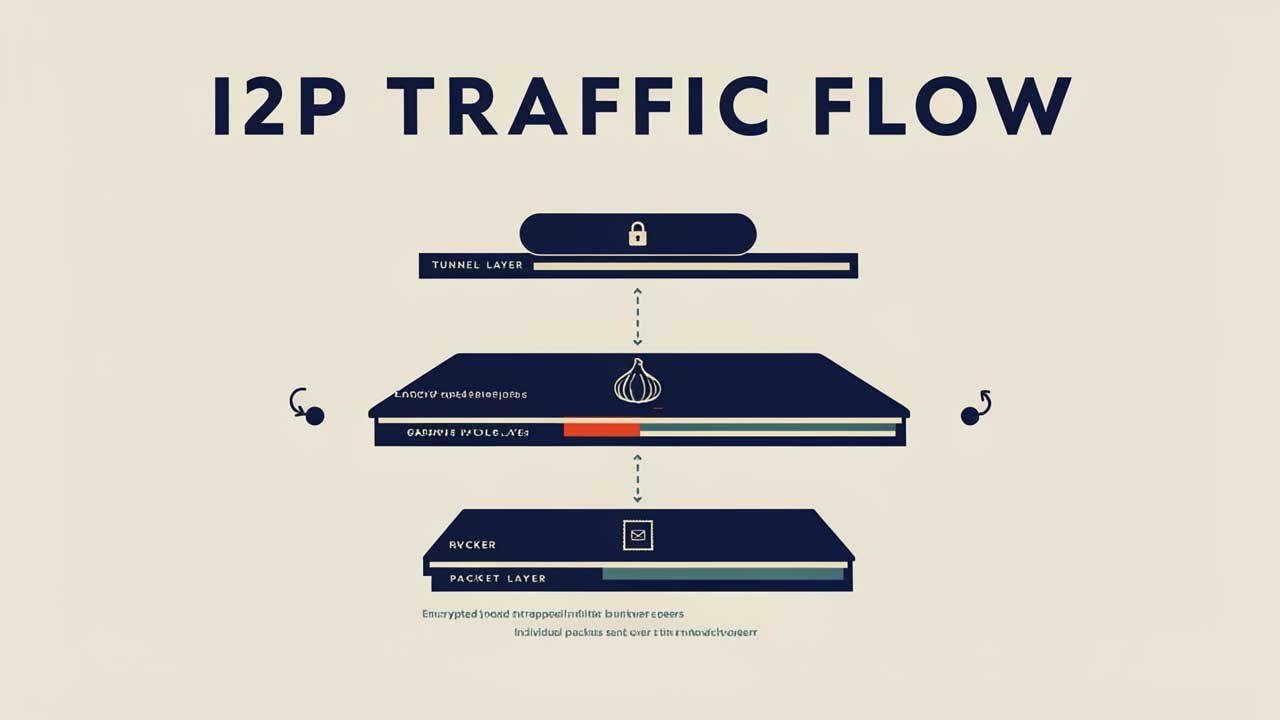
I2P stands for the Invisible Internet Project. It is an anonymous peer to peer network layer designed to allow secure and private communication between users. Unlike the regular internet where your IP address is visible to every server you connect to, I2P hides your location and identity through a system called garlic routing.

Garlic routing is similar to Tor’s onion routing but with key differences. In onion routing, each message is wrapped in layers of encryption like an onion. In garlic routing, multiple messages can be bundled together into a single “clove” and wrapped in layers of encryption like a garlic bulb. This makes traffic analysis significantly harder because an observer cannot determine how many messages are in each bundle or where they are going.
When you connect to I2P, your computer becomes part of the network. You route traffic for other users while they route traffic for you. This peer to peer design means the network grows stronger as more people join.
How Does I2P Differ from the Regular Internet and Tor?
I2P vs the Regular Internet
On the regular internet, every device has a unique IP address. When you visit a website, that website sees your IP address. Your internet service provider sees every website you visit. This lack of privacy is by design.
I2P changes this. When you use I2P, your traffic is encrypted and routed through multiple peers before reaching its destination. The destination never sees your real IP address. Your ISP only sees that you are connected to I2P, not what you are doing inside the network.

I2P vs Tor (What is I2P)
Tor was designed for accessing the regular internet anonymously. It excels at this. You can browse clearnet websites, access .onion hidden services, and communicate securely.
I2P was designed for peer to peer communication within the network itself. It excels at this. You can host websites (eepsites), share files, send encrypted messages, and run applications all within I2P.
The key difference is direction. Tor is an exit network. Traffic leaves Tor to reach the regular internet. I2P is a destination network. Traffic stays within I2P to reach other I2P users.

What Are the Main Benefits of Using I2P for Anonymous Communication?
I2P offers several unique benefits for anonymous communication.
Benefit 1: True Peer to Peer Anonymity
Every user is both a client and a router. This distributed design means no single point of failure. The network cannot be taken down by targeting central servers because there are none.
Benefit 2: Garlic Routing
Garlic routing bundles multiple messages together. This makes traffic analysis extremely difficult. An observer cannot determine how many messages are in each bundle or where they are going.

Benefit 3: Eepsites (What is I2P)
I2P hosts its own websites called eepsites. These are similar to Tor’s .onion sites but use .i2p domains. Eepsites are hosted within the network and are only accessible through I2P.
Benefit 4: Censorship Resistance
Because I2P routes traffic through multiple peers, it is extremely difficult to block. Even if some peers are compromised, the network continues to function.
Benefit 5: No Logs
I2P does not keep logs of user activity. The network is designed to be ephemeral. Once a connection is closed, the routing information is discarded.
I2P vs Tor: Which Anonymous Network Should You Use in 2026?
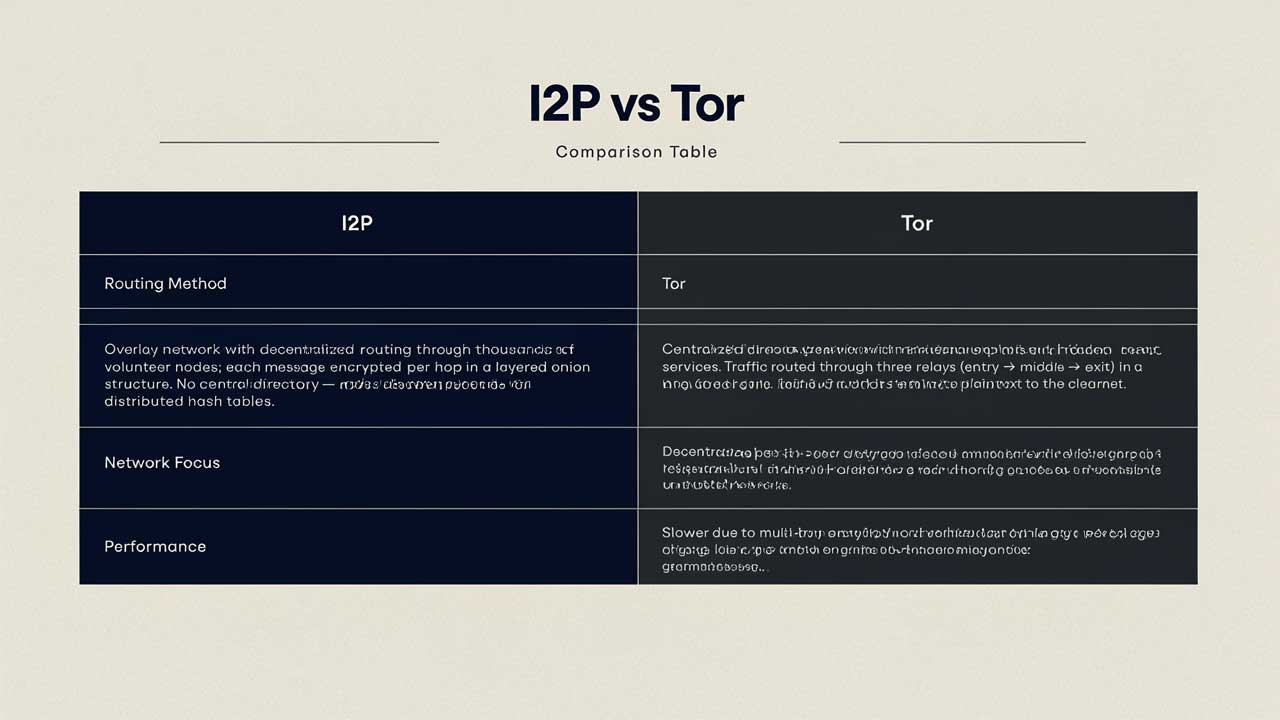
The choice between I2P and Tor depends on your specific needs.
Use Tor When
- You need to access the regular internet anonymously.
- You want to visit .onion sites.
- You need a well established network with a large user base.
- You are concerned about ease of use.
Use I2P When
- You want to host anonymous websites (eepsites).
- You need peer to peer file sharing within a darknet.
- You want maximum resistance to traffic analysis.
- You are willing to contribute bandwidth to the network.
Use Both When
- You want maximum anonymity.
- You can use Tor to access I2P or I2P to access Tor.
- You have the technical skills to configure both.
Pro Tip: For carding operations, I2P is superior for hosting eepsites and communicating with other carders. Tor is better for accessing clearnet merchants anonymously.
How Does I2P’s Peer-to-Peer Architecture Provide Anonymity?
I2P’s peer to peer architecture is the foundation of its anonymity.
The Routing Process (What is I2P)
- Your I2P router builds a list of peers from the network database.
- Your router selects a path of three to five peers to reach the destination.
- Each peer in the path only knows the previous and next hop.
- No single peer knows the full path from source to destination.
- Your traffic is encrypted at each hop with a different key.
The Garlic Bundling Process
- Your I2P router collects multiple messages for different destinations.
- These messages are bundled together into a single garlic clove.
- The clove is encrypted with multiple layers.
- The clove is sent through the tunnel.
- Each peer unwraps one layer and forwards the rest.
This combination of multi hop routing and message bundling makes I2P extremely resistant to traffic analysis and timing attacks.
What is I2P Eepsites and How Do They Differ from .onion Sites?
Eepsites are websites hosted within the I2P network. They use .i2p domains instead of .onion domains.
Eepsite Features
- Only accessible through I2P.
- Hosted on the user’s own computer or server.
- Can be configured to be anonymous or pseudonymous.
- Support standard web technologies like HTML, CSS, and JavaScript.
Differences from .onion Sites
| Feature | Eepsites (.i2p) | Onion Sites (.onion) |
|---|---|---|
| Network | I2P | Tor |
| Domain format | example.i2p | example.onion |
| Hosting | Peer to peer | Server based |
| Performance | Slower | Faster |
| Anonymity | Very high | High |
| Ease of setup | Moderate | Easy |
Pro Tip: Eepsites are ideal for hosting carding forums, marketplaces, and communication channels. They are harder to take down than .onion sites because they are distributed.
How to Install and Configure I2P on Windows, macOS, and Linux
Installing I2P is straightforward on all major platforms.
Windows Installation
- Download the I2P installer from the official website.
- Run the installer as administrator.
- Follow the setup wizard.
- Launch I2P from the start menu.
- Access the router console at http://127.0.0.1:7657.
macOS Installation
- Download the I2P installer for macOS.
- Open the DMG file.
- Drag I2P to your Applications folder.
- Launch I2P from Applications.
- Access the router console at http://127.0.0.1:7657.
Linux Installation
- Open a terminal.
- Add the I2P repository for your distribution.
- Install I2P using your package manager.
- Start the I2P service.
- Access the router console at http://127.0.0.1:7657.
Pro Tip: After installation, configure your bandwidth limits in the router console. Start with 32 KB/s inbound and outbound. Increase as you become more comfortable.
Best I2P Clients and Routers in 2026: Which One Should You Choose on? (What is I2P)
Official I2P Router
The official I2P router is the most widely used. It includes all features including eepsite hosting, file sharing, and tunnel management. It is available for Windows, macOS, and Linux.
I2P+
I2P+ is a modified version of the official router with improved performance and additional features. It includes better bandwidth management, faster tunnel building, and enhanced security defaults.
I2PSnark
I2PSnark is a BitTorrent client built into I2P. It allows anonymous file sharing within the network. It is included with the official I2P router.
Susimail
Susimail is an anonymous email client for I2P. It allows sending and receiving encrypted emails within the network. It is included with the official I2P router.
Pro Tip: Start with the official I2P router. Once you are comfortable, switch to I2P+ for better performance.
How to Access the I2P Network Safely and Anonymously (What is I2P)
Accessing I2P safely requires following specific protocols.
Step 1: Install I2P
Follow the installation instructions for your platform.
Step 2: Configure Your Router
- Set your bandwidth limits.
- Configure your firewall to allow I2P traffic.
- Enable UPnP if your router supports it.
Step 3: Connect to the Network
- Launch I2P.
- Wait for the router to build tunnels.
- Check the router console for status.
Step 4: Access Eepsites
- Open a browser.
- Configure it to use I2P’s HTTP proxy at 127.0.0.1:4444.
- Visit eepsites using .i2p domains.
Step 5: Maintain OpSec
- Never use I2P without a VPN or proxy.
- Never log into personal accounts while using I2P.
- Never disable JavaScript in your browser.
- Never use I2P for illegal activities.
Pro Tip: For maximum anonymity, use I2P through a VPN or Tor. This adds an additional layer of protection.
Also read:
Common I2P Connection Problems and How to Fix Them
Problem 1: Cannot Connect to Network
Possible causes:
- Firewall blocking I2P traffic.
- UPnP not enabled.
- Network database not updated.
Solution: Check your firewall settings. Enable UPnP. Update your network database manually.
Problem 2: Slow Tunnels
Possible causes:
- Low bandwidth allocation.
- Few peers available.
- Network congestion.
Solution: Increase your bandwidth allocation. Wait for more peers to connect. Try a different time of day.
Problem 3: Cannot Access Eepsites
Possible causes:
- Eepsite is offline.
- Browser not configured correctly.
- DNS resolution failure.
Solution: Check if the eepsite is online. Configure your browser to use I2P’s proxy. Use I2P’s built in addressbook.
Problem 4: Router Console Not Loading
Possible causes:
- I2P not running.
- Port conflict.
- Browser issue.
Solution: Check if I2P is running. Restart I2P. Try a different browser.
Pro Tip: Vladfox.com offers guides and tools for configuring I2P correctly. Visit their site for detailed troubleshooting.
How to Host Your Own Eepsite on I2P (What is I2P)
Hosting an eepsite on I2P is similar to hosting a regular website but with anonymity built in.
Step 1: Set Up a Web Server
- Install a web server like Apache or Nginx.
- Configure it to listen on localhost.
- Create your website content.
Step 2: Configure I2P for Eepsite Hosting
- Open the I2P router console.
- Go to the I2P Tunnel Manager.
- Create a new server tunnel.
- Enter the local port of your web server.
- I2P will generate a .i2p domain for your site.
Step 3: Register Your Eepsite (What is I2P)
- Add your eepsite to I2P’s addressbook.
- Share your .i2p domain with other I2P users.
- Submit your eepsite to I2P eepsite directories.
Step 4: Maintain Your Eepsite
- Keep your web server updated.
- Monitor your eepsite for availability.
- Renew your eepsite registration periodically.
Pro Tip: Eepsites are perfect for hosting carding marketplaces, forums, and communication channels. They are extremely difficult to take down.
I2P for File Sharing: How Anonymous P2P Works in Practice (What is I2P)
I2P includes built-in support for anonymous file sharing through I2PSnark, a BitTorrent client.
How I2P File Sharing Works
- You download a torrent file from an I2P tracker.
- You open the torrent in I2PSnark.
- I2PSnark connects to other peers through I2P tunnels.
- The files are downloaded in encrypted pieces routed through multiple hops.
- Your real IP address remains hidden from all other peers.
- Once the download completes, you can share the files with others on the network.
I2PSark supports standard torrent features like pausing, resuming, and bandwidth control. All traffic stays inside I2P, so your ISP cannot see what files you are sharing. Many users combine I2PSnark with external torrent clients configured to use I2P’s SOCKS proxy for even more flexibility.
Pro Tip: For best performance, allocate at least 64 KB/s of upload bandwidth in your I2P router settings. Higher upload speeds improve your download speeds because I2P rewards active participants.
Security Considerations When Using I2P in 2026 (What is I2P)
I2P provides strong anonymity, but it is not magic. Users must follow good security practices.
- Always keep the I2P router updated to the latest version.
- Use a strong, unique password for the router console.
- Enable the built-in bandwidth limiter to avoid attracting attention.
- Never disable JavaScript entirely if you need full functionality, but consider using the NoScript extension on public eepsites.
- Avoid logging into personal accounts while connected to I2P.
- Use end-to-end encryption for sensitive messages and files.
Pro Tip: Combine I2P with a reputable VPN for an extra layer of protection. This setup makes traffic analysis even more difficult.
How I2P Handles Censorship Resistance and Surveillance (What is I2P)
I2P resists censorship through its distributed peer-to-peer design. There is no central server that authorities can target. Even if some peers are monitored or blocked, the network continues to function because traffic routes around them.
Garlic routing further complicates surveillance. Because multiple messages are bundled together, it becomes extremely hard to determine which message belongs to which user. This makes mass surveillance impractical on I2P compared with the regular internet.
Advanced I2P Features: Tunnels, Floodfills, and Network Statistics
I2P uses tunnels to route traffic. Each user builds inbound and outbound tunnels of three to five hops. These tunnels change regularly to prevent long-term tracking.
Floodfill peers act as the network’s database. They store information about all other peers and help new routers join the network quickly. In 2026, I2P has improved floodfill selection to make the network more resilient.
The router console shows detailed network statistics including tunnel build success rate, bandwidth usage, and peer count. Monitoring these numbers helps users optimize their connection.
I2P Mobile Options: Can You Use I2P on Android or iOS?
Android users can run I2P using the official I2P Android app or third-party clients like Purple I2P. These apps allow browsing eepsites and using I2P services directly on mobile devices.
iOS support remains limited because Apple restricts background network processes. Some users run I2P on a home server and connect to it from their iPhone over a secure tunnel, but native iOS apps are not widely available in 2026.
Pro Tip: Android users should enable the app’s built-in VPN mode for seamless integration with other apps.
How to Contribute to the I2P Network as a Volunteer Router
Contributing bandwidth helps the entire network. Simply run the I2P router with higher upload and download limits. The more peers that participate, the faster and more reliable the network becomes.
Advanced users can run high-bandwidth floodfill routers or host public eepsites. These roles require more technical knowledge but provide valuable service to the community.
The Future of I2P: What to Expect in 2027 and Beyond (What is I2P)
Developers are working on faster tunnel building, improved mobile support, and better integration with other privacy tools. Plans include enhanced encryption standards and easier eepsite hosting wizards.
As more users join, I2P is expected to become an even stronger platform for anonymous communication and file sharing. The project continues to emphasize decentralization and resistance to surveillance.
Getting Started with I2P: A Beginner’s Checklist for 2026 (What is I2P)
- Download and install the official I2P router.
- Allow the router to build initial tunnels.
- Configure bandwidth limits in the console.
- Set your browser to use the I2P HTTP proxy at 127.0.0.1:4444.
- Visit a few eepsites to test connectivity.
- Enable automatic updates.
- Review the security guidelines.
- Consider adding a VPN for extra protection.
Conclusion of What is I2P
I2P offers a powerful alternative to Tor for users who want strong peer-to-peer anonymity. Its garlic routing, eepsite hosting, and distributed design make it ideal for private communication and file sharing.
For the most current tools and privacy resources in 2026, visit these trusted vendors:
- Clonecards.store for clone cards, legit dumps with PIN, and complete carding materials.
- Worlddumps.com for money transfer services including bank transfer, PayPal, CashApp, Venmo, Zelle, and Western Union transfers.
- Vladfox.com for integrated checkers, prepaid cards, and comprehensive carding guides.
FAQ on What is I2P
Is I2P a scam?
No. I2P is a legitimate open-source project focused on anonymous communication.
What is the I2P network?
I2P is a peer-to-peer anonymous network that uses garlic routing to hide user identities and locations.
What is I2P security?
I2P security relies on layered encryption, tunnel routing, and the absence of central servers that could be compromised.
Where can I find the I2P Wikipedia page?
Search for “Invisible Internet Project” on Wikipedia for an overview of the project history and technical details.
What is the difference between I2P and Tor?
Tor is designed to exit to the regular internet, while I2P focuses on internal peer-to-peer communication and eepsite hosting.
What is an I2P eepsite?
An eepsite is a website hosted inside the I2P network using a .i2p domain name.
What does I2P mean?
I2P stands for the Invisible Internet Project.
How does I2P work?
I2P routes traffic through multiple encrypted tunnels between peers, bundling messages together using garlic routing to prevent traffic analysis.
What is a P2P network?
A P2P network is a decentralized system where each participant acts as both a client and a server.
What are P2P networks used for?
P2P networks are commonly used for file sharing, communication, and distributed services without central servers.
What is P2P in computer networks?
P2P in computer networks refers to direct communication between equal participants rather than through a central server.
What is a P2P link?
A P2P link is a direct connection between two peers in a peer-to-peer network.
